KUULBOI TOURS
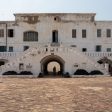
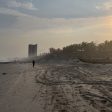
The castles and the coast road.
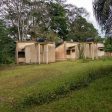
Canopy walkway above the trees.
Boat cruise and the Adomi Bridge.
A morning in the rainforest, an afternoon in a castle. Tell us the shape of the day and we build the rest.
Harmattan, the rains and the quiet months, explained without the guesswork.
Ghanaian guides, Ghanaian drivers, and a phone number a person actually answers.
Sixteen regions, one small country, and far more to see than most visitors expect. Here is where we travel and what is waiting there.
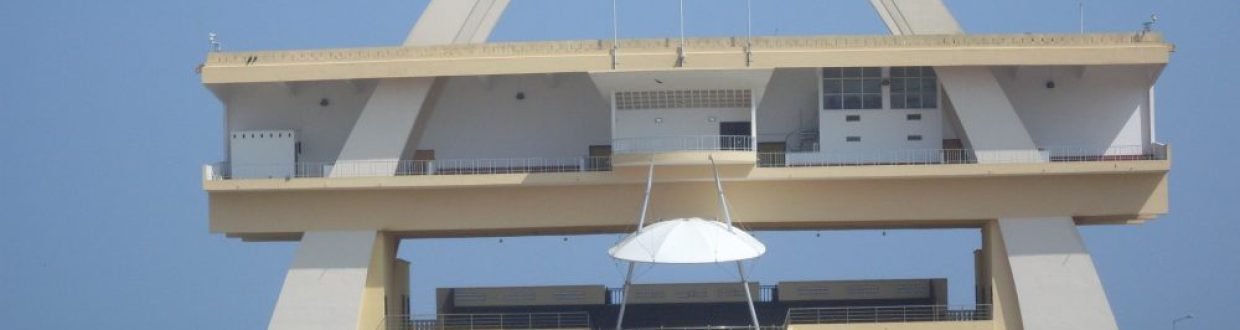
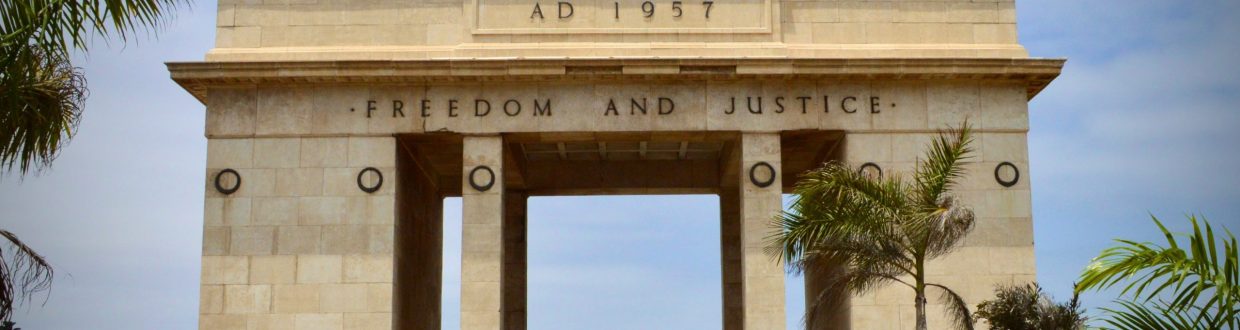
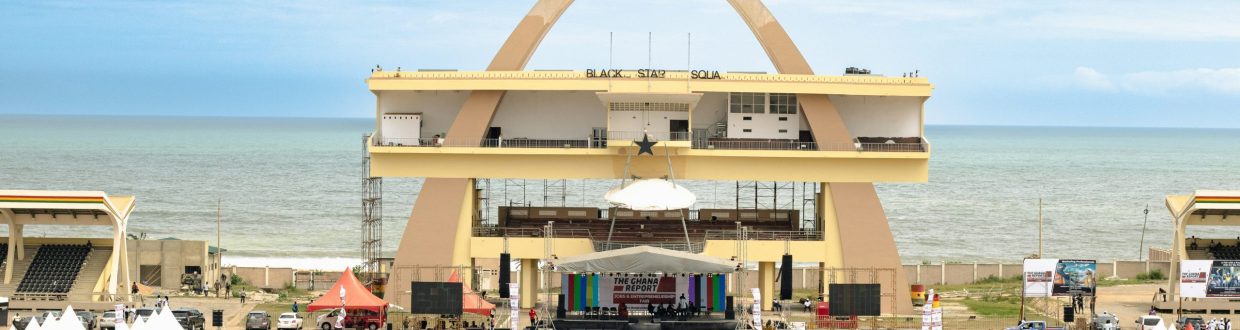
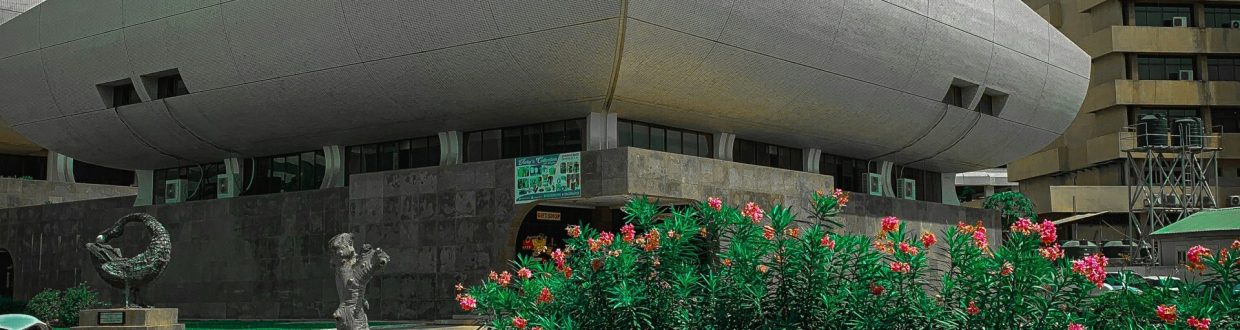
Monuments, museums, markets and the independence story of Ghana.
The oldest quarter of Accra: lighthouse, forts, boxing gyms and a working fishing harbour.
Savanna reserve under an hour from the city, with baboons, antelope and caves.
Where the Volta River meets the Atlantic, with sandbars and palm islands.
The seat of Ghana’s colonial history and one of the most significant sites in the Atlantic slave trade.
St. George’s Castle, built 1482, and a fishing harbour packed with painted canoes.
360 square kilometres of rainforest crossed by a canopy walkway 40 metres up.
The Ancestral Slave River site, a place of return and remembrance for the diaspora.
Cool hill town above Accra with botanical gardens laid out in 1890 and a carving village.
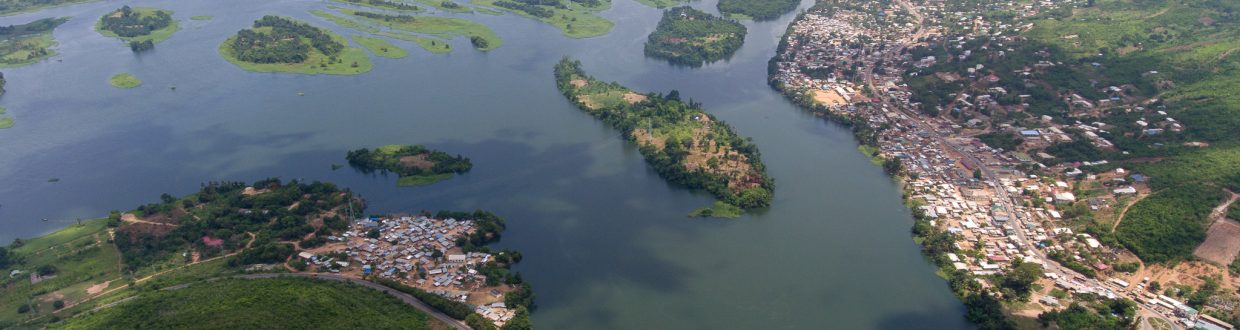
The dam that powers Ghana and the largest man-made lake in the world by surface area.
Twin waterfalls in the Yilo Krobo hills, reached down a long forest staircase.
Bead country: the home of Ghana’s glass bead making and a famous weekly bead market.
The highest waterfall in West Africa, with a colony of fruit bats above the upper falls.
Ghana’s highest peak, a steep but achievable climb with views into Togo.
A community sanctuary where mona monkeys are protected by local tradition.
One of the highest settlements in Ghana, with waterfalls and a canopy walkway.
The heart of the Ashanti Kingdom and home to one of the largest markets in West Africa.
The village where kente cloth is woven, and where you can sit at the loom yourself.
A sacred crater lake formed by a meteorite, ringed by hills and villages.
Craft villages known for adinkra cloth printing and wood carving.
Ghana’s best surf beach and a quiet river village beside a ruined Dutch fort.
A village built entirely on stilts over Lake Tadane, reached by canoe through the reeds.
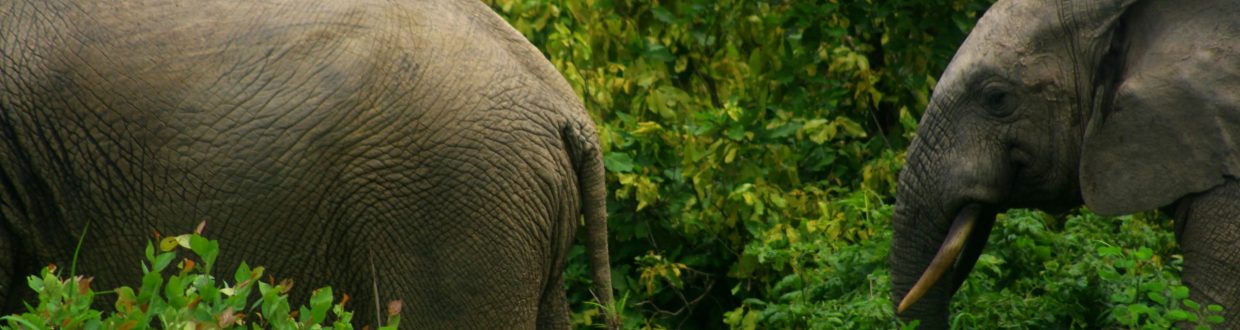
Ghana’s richest rainforest, on the Ivorian border, with forest elephants and rare primates.
A quiet coastal town with a 17th-century fort and long empty beaches.
A monkey sanctuary where mona and colobus monkeys are protected as sacred.
A three-stage waterfall dropping through forest, one of the most photographed in Ghana.
One of West Africa’s largest open markets, at the crossroads between north and south.
Riverside park on the Black Volta, with hippos, antelope and very few other visitors.
Ghana’s largest park, where elephants come to the waterhole below the lodge.
The gateway to the north, with a distinct culture, cuisine and craft tradition.
The crocodile ponds on the Burkina border, where crocodiles and people live side by side.
A village famous for the painted geometric murals its women create on their homes.
Tell us your dates and what you would love to see. We will reply within a few hours with a plan, a price and no pressure.